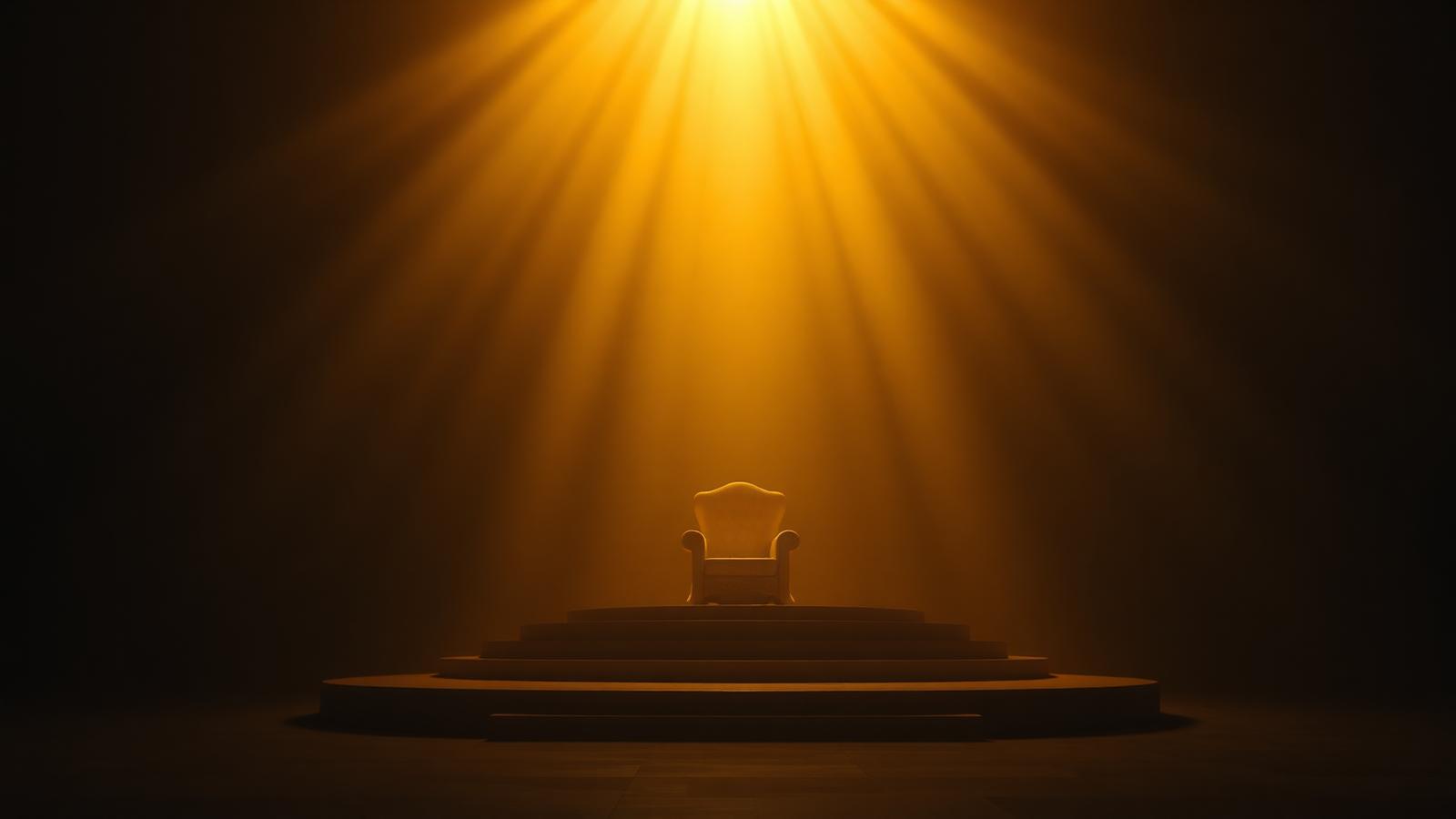
An apologetic essay on the problem of good and evil
The Book
Synopsis
The Theory of Why We Are Here asks a question older than philosophy and sharper than most answers given to it: if God is good and sufficient in Himself, why does a world like ours exist at all?
The essay proposes that human creation is not an accident, a decoration, or a test of individual merit, but the arena in which the problem introduced by Lucifer's rebellion is brought to a definitive conclusion. Evil is treated not as a substance but as a potential that had to be allowed to act if freedom was to mean anything.
Across fourteen chapters the argument moves from the attributes of the Creator to the cross of Christ, where the duality is not balanced but resolved. It engages classical theodicies, answers common objections directly, and keeps every theological claim anchored in Scripture.
Contents
- 1The Attributes of the CreatorBefore any question about evil can be asked honestly, the character of the One who creates has to be described without flattery.
- 2The God Who Needs NothingCreation adds nothing to God. That single claim reshapes every motive we might attribute to Him.
- 3Free WillLove that cannot be refused is not love. Freedom is the price of a relationship that means anything at all.
- 4Why Not Create Only the Good?The most common objection deserves the most patient answer: foreknowledge is not the same as pre-selection.
- 5Evil in PotentialEvil is not a created substance. It is an absence that becomes visible only where light already stands.
- 6Lucifer: From Potential to ActOne will, standing in full light, preferred itself. From that moment the universe carried an open question.
- 7The Duality RevealedIn the garden, an abstract question is given a concrete form: a tree, a word, and a choice.
- 8Guilty or Corrupted?Two very different diagnoses of the human condition, and why the difference decides what redemption must be.
- 9Two Deaths, Two SubstancesDust returns to dust; something else does not. The distinction is not sentimental, it is structural.
- 10Christ: The Duality ResolvedThe centre of the book. Not a balance struck between good and evil, but the exhaustion of one by the other.
- 11The Cross as the End of Sin in PotentialWhat was torn open was not only a curtain. It was the possibility that the question could ever be reopened.
- 12Earth as the StageA small planet, watched attentively. The scale of the universe and the smallness of the stage are not in conflict.
- 13Objections and AnswersThe strongest counter-arguments, stated fairly, answered directly, without rhetorical shortcuts.
- 14Dialogue with Other TheodiciesAugustine, Irenaeus, Leibniz, Plantinga — where this argument agrees, and where it does not.
New chapters and essays
One message when a new chapter or related essay is published. Nothing else.
No tracking, no sharing.
Submitting opens your email app with a pre-filled message to the author.